Khanom Furniture (KNM Furniture) |
Hospitality Interior Design Trends 2026
The Rise of “Soft Luxury”
and Tactile Materials
In 2026, hospitality interiors are shifting decisively toward “Soft Luxury” — warm earth tones (sand, taupe, terracotta), tactile materials including bouclé and velvet engineered to CAL 117 or BS 5852 standards, biophilic organic forms, and concealed technology integration. For procurement teams, executing these complex multi-material specifications at project scale requires manufacturers with integrated capabilities across wood, metal, upholstery, and surface finishing — not fragmented single-trade sourcing.
- The Decline of Cold Minimalism: 2026 marks a decisive shift away from stark minimalism toward “Soft Luxury,” characterized by warm earth tones and wellness-centered design.
- Celebrating Tactile Materials: Commercial spaces are prioritizing emotional connection through highly tactile surfaces, utilizing bouclé, velvet, and PVD-coated metals engineered for contract durability.
- Invisible Technology: Functional versatility is integrated within luxury aesthetics, incorporating concealed charging ports and modular capabilities without disrupting the design narrative.
- Procurement Solutions for B2B Managers: To address global tariff volatility and maverick spend, purchasing managers are pivoting to integrated “Total Solution” manufacturers to optimize the Total Cost of Ownership (TCO).
The global hospitality sector in 2026 has entered a new era of “Soft Luxury” and “Smarter Sustainability,” where the physical environment is no longer viewed as a static backdrop but as a dynamic, high-performance asset.
This transformation is driven by a fundamental shift in guest expectations — moving away from the stark minimalism of the early 2020s toward warm, biophilic, and highly functional spaces that foster emotional connection and well-being.
For procurement professionals and developers, navigating this shift requires a departure from traditional “off-the-shelf” sourcing. This article explores the definitive interior trends of 2026 and how partnering with a comprehensive hospitality furniture manufacturer like Khanom Furniture (KNM Furniture) provides the technical expertise required to execute these complex, custom designs at scale.


1. What Color Palette Trends Are Shaping Hospitality Interiors in 2026?
The defining direction for 2026 hospitality interiors is a warm, nature-inspired palette anchored in sand, deep taupe, espresso brown, olive green, and terracotta — a deliberate shift away from the cool grays and stark whites that dominated commercial interiors over the previous decade.
This “Thermal Shift” is not a surface-level aesthetic preference. Designers are selecting these tones because, when applied consistently across materials like solid kiln-dried hardwood and natural-finish fabrics, they create environments guests perceive as grounding and protective — a measured response to the sensory fatigue of digital-dominant lifestyles.
For procurement teams, the implication is specification discipline: warm tones read differently across wood veneer, fabric, and lacquer finish substrates. Achieving color consistency room-to-room requires coordinated material sign-off before production lock, not after.

2. Which Tactile Materials Are Procurement Teams Specifying for 2026 Hospitality FF&E?
Bouclé, velvet, and chenille are the dominant upholstery specifications for 2026 hospitality lounge seating and headboards — but commercial viability requires these materials to pass a minimum 50,000 double-rub Wyzenbeek durability test and fire safety compliance under CAL 117 (US) or BS 5852 (international) before mass production proceeds.
As travelers spend increasingly more time in digital environments, the physical hotel space must offer a sensory counterweight. The 2026 guest experience is centered on tactile richness — the comfort of a residential setting combined with the contract durability required in a commercial space.
Executing these specifications requires the capabilities of a dedicated upholstery manufacturer with in-house testing protocols. Plush materials must be rigorously engineered to pass the applicable fire safety standards before fabric is committed to production at scale.
Metal accents are also shifting — away from polished chrome toward brushed brass and natural patinas. PVD (Physical Vapor Deposition) coating is the technical standard that ensures these finishes maintain scratch resistance and surface integrity under high-traffic commercial conditions.


3. How Is Biophilic Design Being Integrated Into Hospitality Furniture Specifications in 2026?
In 2026, biophilic design is being specified structurally, not decoratively — curved lounge silhouettes, rounded headboards, and planting-integrated console tables that require moisture-controlled wood treatments and advanced lacquer surface protocols to maintain structural integrity in commercial environments.
Termed “Biophilic Bliss,” this concept weaves organic forms and greenery directly into the furniture itself, giving guests connection points with the natural environment. Furniture silhouettes are moving away from sharp edges in favor of curved lounge seating, rounded headboards, and sculptural armchairs that reduce visual harshness and support movement flow within high-traffic public spaces.
Integrating live plants into custom wooden console tables or room dividers introduces a specific technical requirement: moisture control protocols and surface treatment specifications must be confirmed at the shop drawing stage, protecting the substrate from localized humidity and water exposure across the product’s commercial lifecycle.

4. How Do 2026 Hospitality Projects Integrate Technology Without Disrupting the Luxury Aesthetic?
The critical execution challenge for “Invisible Tech” specifications is that concealed wire management and flush wireless charging integration must be engineered at the shop drawing stage — before Golden Sample review and before mass production commences — to prevent structural modifications during installation.
As real estate values rise, hospitality properties are requiring more from their public spaces, transforming lobbies into multi-functional hubs for work, socializing, and dining. Furniture in 2026 must be modular and adaptable.
The technology that powers this flexibility must not disrupt the “Soft Luxury” aesthetic. “Hidden Versatility” is a defining characteristic of 2026 design — seating equipped with integrated concealed technology ports, and communal tables with flush wireless charging capabilities.
Executing these specifications to tolerance requires a manufacturing partner capable of translating complex architectural shop drawings into a precise Golden Sample. All wire management and technical routing must be confirmed at the sample stage, not discovered during installation of hundreds of identical units.

5. What Procurement Challenges Are Defining FF&E Sourcing for Hospitality Projects in 2026?
The central procurement challenge in 2026 is calculating Total Cost of Ownership (TCO) across the full project lifecycle — not unit price alone — as global tariff volatility and multi-vendor fragmentation generate cost overruns and schedule risk that typically surface during installation, not during purchasing.
The 2026 global trade environment is characterized by meaningful regulatory complexity and sustained cost pressure. Fragmenting production across multiple sub-contractors in pursuit of the lowest unit cost often leads to “Maverick Spend” — a breakdown in pricing leverage, inconsistent quality, and project delays.
Investing in contract-grade furniture manufactured to verified BIFMA and ISO standards supports longer product lifecycles and a stronger return on investment compared to lower-cost alternatives that require earlier replacement cycles. The lifecycle calculation, not the purchase price, is where the cost difference becomes measurable.

6. Why Are Hospitality Developers Choosing Integrated FF&E Manufacturers Over Fragmented Sourcing in 2026?
Integrated manufacturers — consolidating casegoods, metal fabrication, upholstery, and lacquer finishing under one quality control roof — directly reduce the risk of mismatched material joints, finish discrepancies, and room-to-room variance that multiply across large project unit counts.
To successfully deliver the “Soft Luxury” paradigm at scale, industry leaders are turning to strategic manufacturing hubs like Vietnam, which combine artisanal craftsmanship with industrial-grade durability standards.
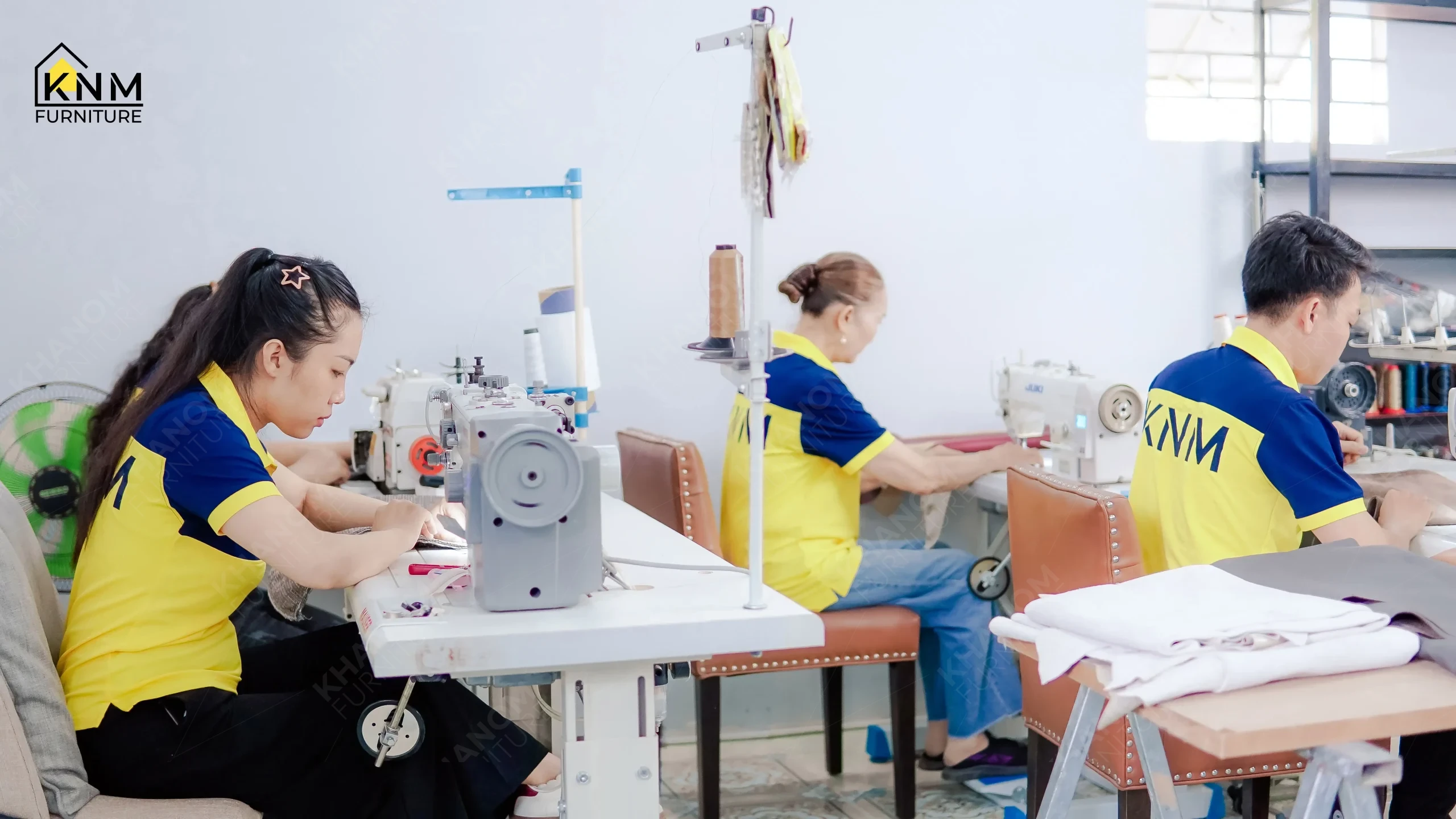
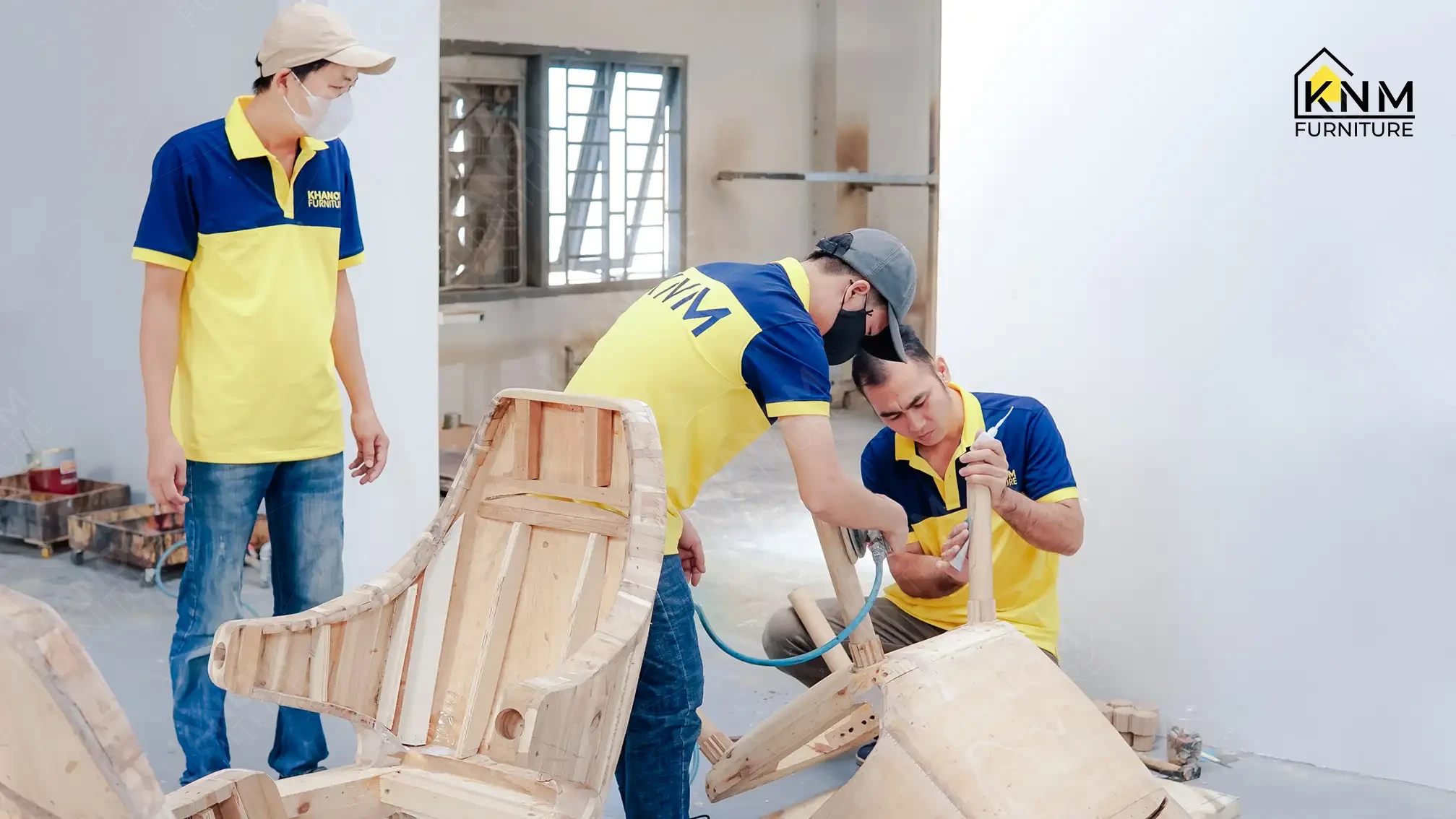
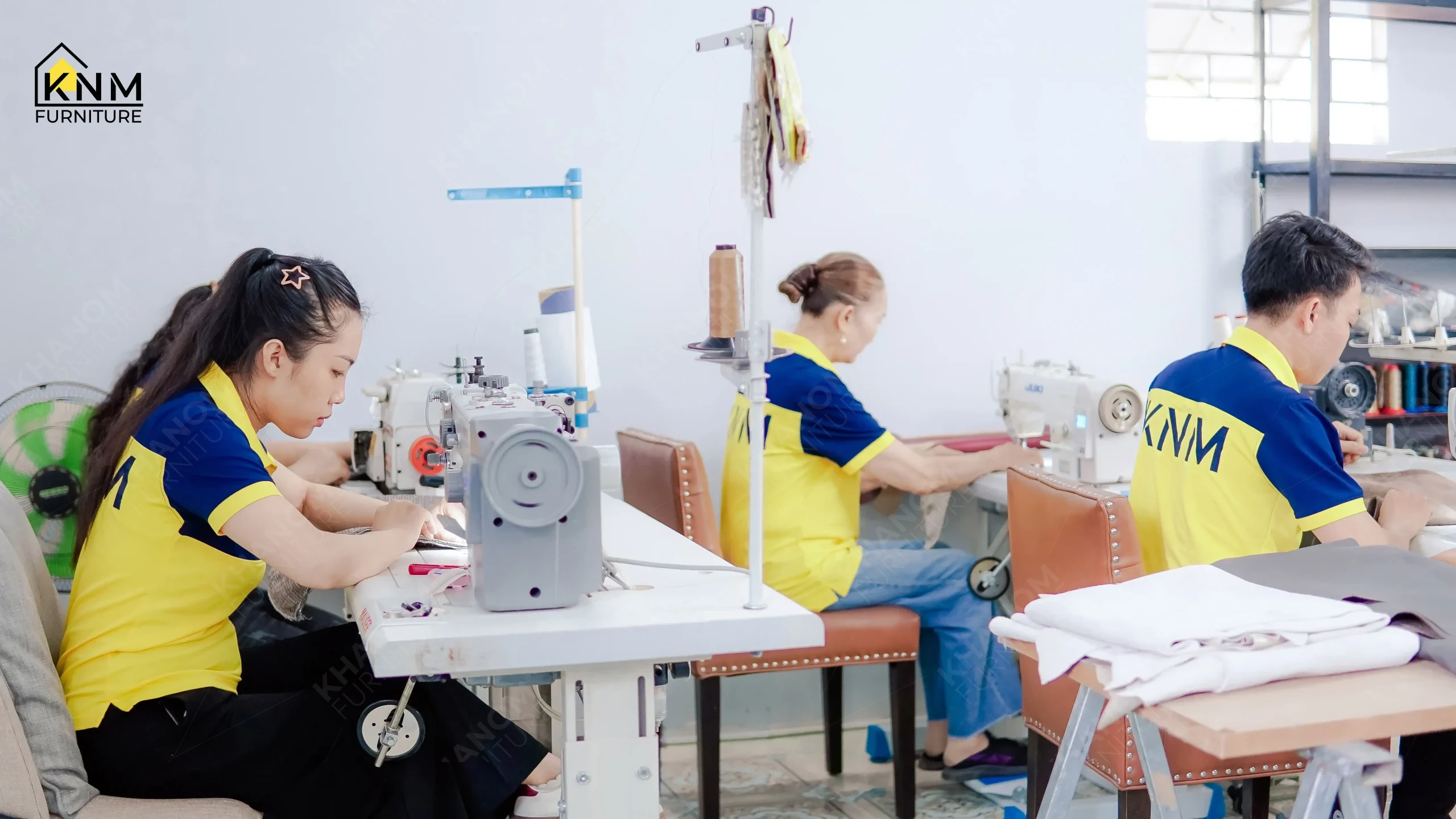
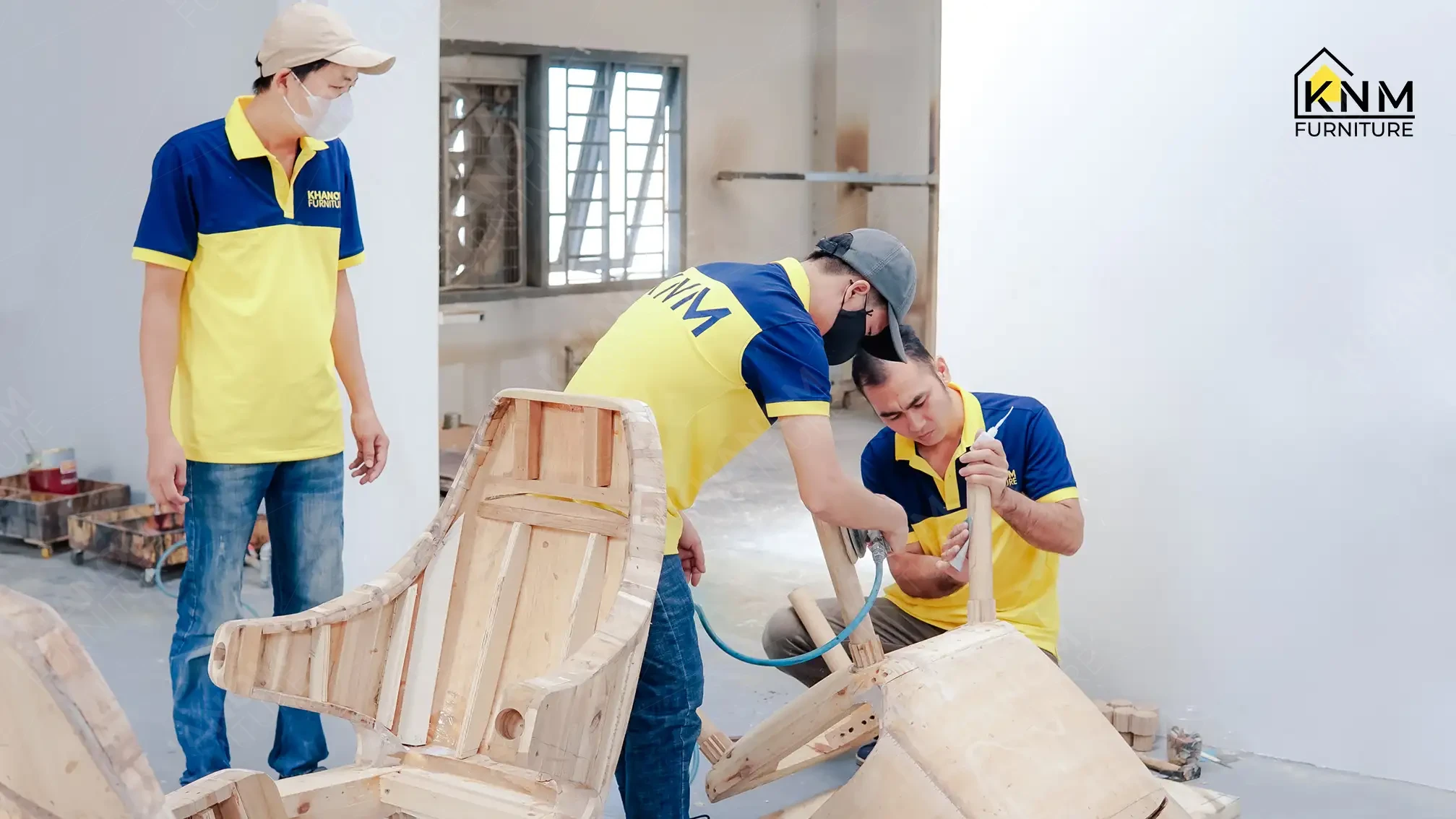
The integrated “Total Solution” model — exemplified by Khanom Furniture (KNM Furniture) — is designed to address the complexities of modern hospitality projects. By consolidating wood production, metal fabrication, upholstery, and lacquer finishing into a single production ecosystem, KNM supports consistent room-by-room quality across large project volumes.
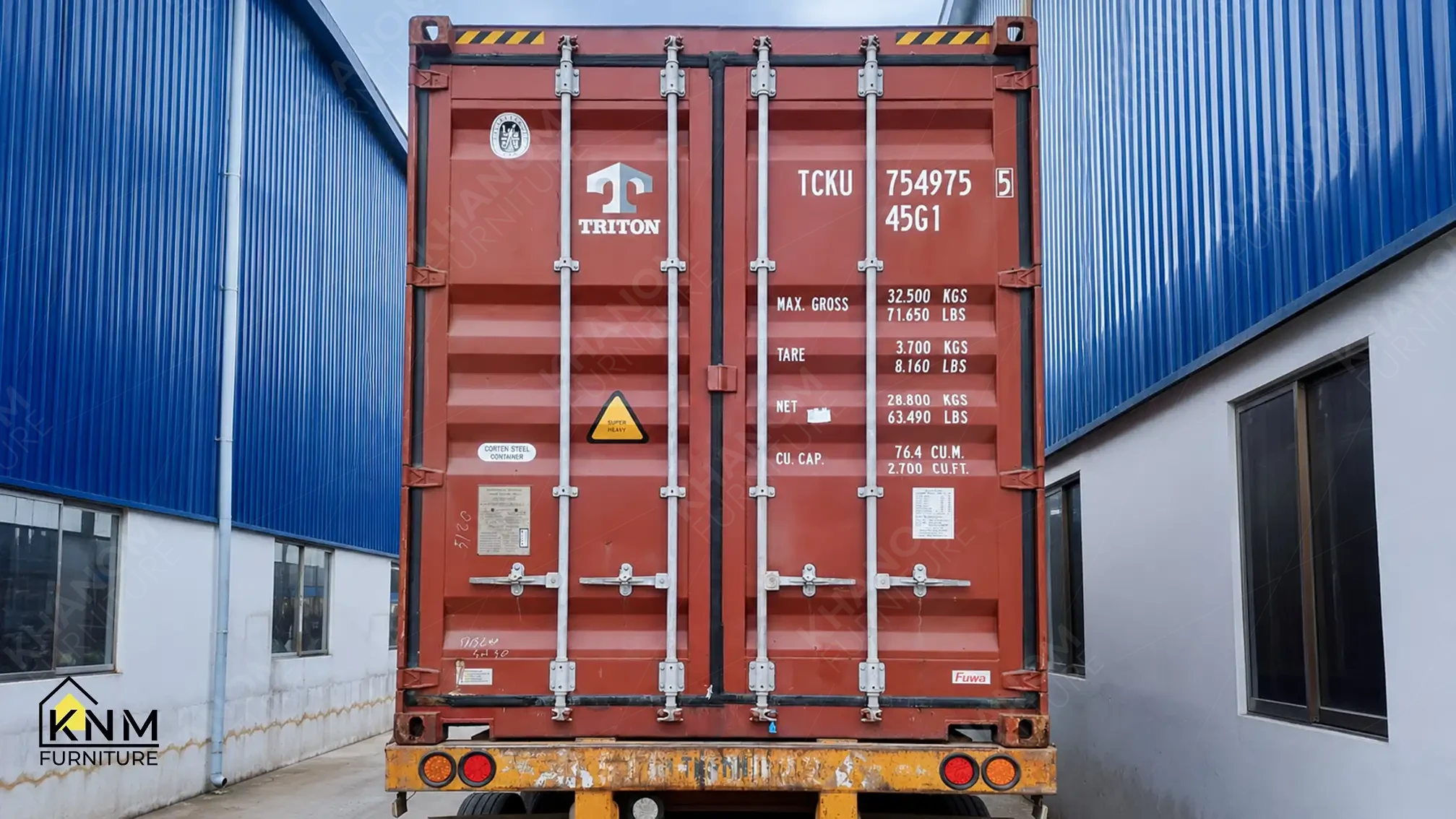
This centralized approach reduces logistical bottlenecks and provides purchasing managers with the supply chain resilience required to execute complex 2026 specifications on schedule and within TCO targets.
Sustainable, durable contract furniture is no longer a premium specification; it is the baseline expectation. By partnering with an integrated manufacturer capable of executing diverse materials under one quality control roof, developers can build guest experiences that are visually considered, operationally resilient, and built for commercial longevity.
––––––––––––––––––––––––
Frequently Asked Questions
Q: What are the dominant material specifications for hospitality furniture in 2026?
The 2026 specification palette combines bouclé, velvet, and chenille for upholstered seating and headboards; brushed brass and PVD-coated metals for hardware and accent elements; and warm-toned solid wood or lacquer finishes in sand, espresso, and olive directions for casegoods. Each material category carries specific contract durability requirements that must be confirmed before production lock.
Q: What durability standards should procurement managers require for 2026 tactile upholstery fabrics?
For US commercial hospitality, upholstered pieces should meet a minimum 50,000 double-rub Wyzenbeek durability standard and CAL 117 fire safety compliance. International projects typically require BS 5852. These certifications should be confirmed at the fabric specification stage — not after production has commenced — to avoid batch-level replacement risk.
Q: How does a multi-material specification affect FF&E manufacturing timelines?
Complex specifications combining COM fabrics, PVD metal accents, concealed technology integration, and lacquer surface finishing extend the pre-production engineering phase. A Golden Sample review and sign-off process typically adds 3–6 weeks to the schedule, but prevents batch-level rework across hundreds of identical units at the installation stage — where correction costs are highest.
Q: What questions should I ask an FF&E manufacturer before committing to production on a Soft Luxury specification?
Four qualification questions: (1) Can you execute COM fabric specifications and provide durability certification data? (2) What is your revision log protocol before production lock? (3) Do you have in-house PVD metal finishing capability? (4) What is your Golden Sample sign-off process before mass production? An informal answer to any of these signals production risk that surfaces at installation — not at procurement.
Q: Why are procurement managers consolidating FF&E sourcing with integrated manufacturers?
Fragmenting production across multiple sub-contractors creates pricing inconsistency, mismatched material joints, and finish discrepancies that multiply across large room counts. An integrated manufacturer — covering casegoods, metal, upholstery, and surface finishing — provides a single point of quality accountability, cleaner TCO calculation, and reduced room-to-room variance at project scale.
––––––––––––––––––––––––
KNM FURNITURE
Manufacturing with Material Integrity.
📩 RFQ: oanh@knmfurniture.com
📞 Hotline: +84 903 542 812
🌐 Website: knmfurniture.vn
📌 Pinterest: pinterest.com/khanomfurniture
ⓕ Facebook: facebook.com